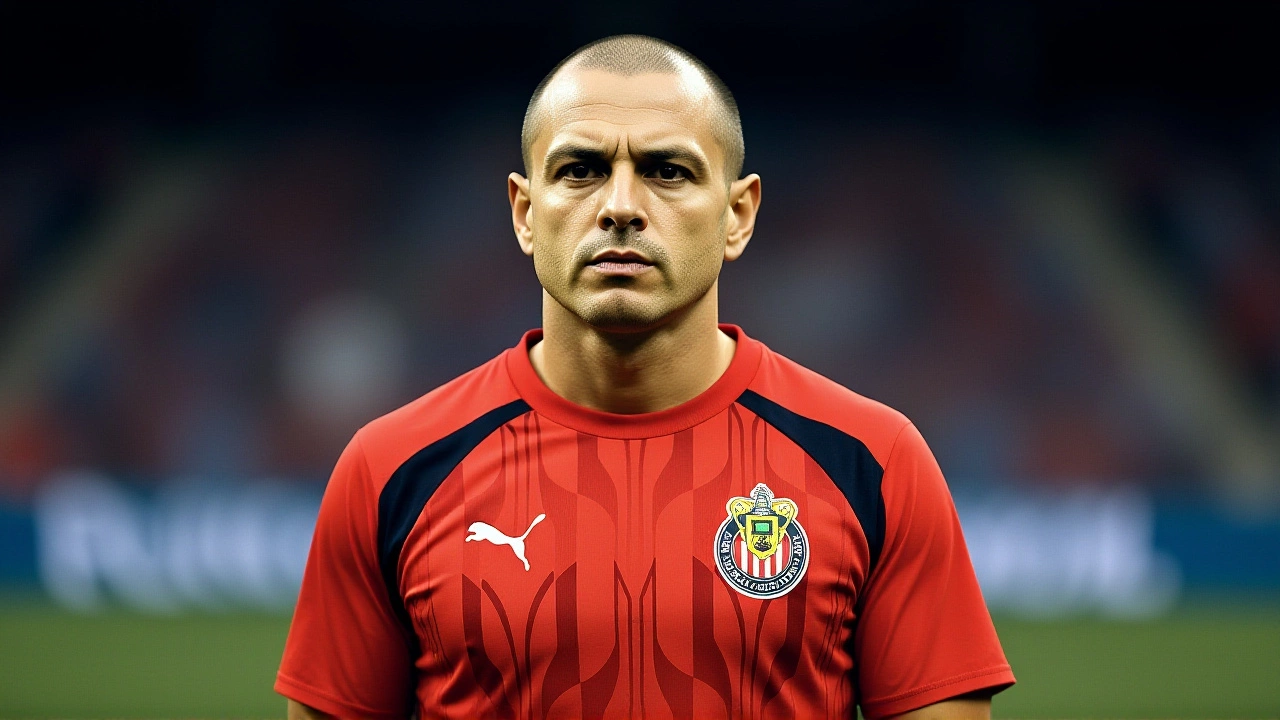
When Javier Hernández Balcázar, the 37-year-old Mexican football legend known as Chicharito, posted Instagram reels telling women to "allow yourselves to be led by a man," he didn’t just stir up online outrage—he ignited a national reckoning. The Mexican Football Federation (Federación Mexicana de Fútbol) fined him an undisclosed amount on July 24, 2024, after an investigation into his comments, which President Claudia Sheinbaum Pardo called "very sexist"—and not just in passing. Sheinbaum, Mexico’s first female president and the 66th head of state in its 200-year history, didn’t mince words during a July 24 press conference in Mexico City: "Chicharito is a very good soccer player, but when it comes to his opinion on women... he still has a lot to learn." The backlash didn’t start with the president. It began on social media, where fans, activists, and even former teammates reacted with disbelief. Hernández’s posts, made over the weekend of July 20–21, 2024, included claims that women were "eradicating masculinity" and that "cleaning is patriarchal oppression... interesting." The irony wasn’t lost on anyone: a man who once celebrated his mother’s strength as the backbone of his family now seemed to reject the very equality he once benefited from.
From Star Striker to Social Media Flashpoint
Chicharito, the all-time top scorer for the Mexican national team with exactly 52 goals in 109 appearances, returned to his boyhood club Club Deportivo Guadalajara (Chivas) in July 2023 after stints at Manchester United, Real Madrid, and Sevilla. But his return hasn’t been smooth. Currently sidelined with a lower-body strain from preseason training, he missed Chivas’ first two matches of the 2024 Apertura tournament—both losses, one to Atlético San Luis and another to Tigres UANL. His absence on the pitch was noticeable. His absence from the conversation? Even more so. The Federación Mexicana de Fútbol launched its investigation on July 22, 2024, after formal complaints from women’s rights groups like Alianza Cívica and Mujeres en Igualdad. The fine, while undisclosed, was described by FMF spokesperson Alejandro Blanco as "proportionate to the gravity of the offense." It wasn’t just about the words—it was about the platform. Chicharito has 18 million Instagram followers. His voice carries weight.Sheinbaum’s Response: A President’s Defining Moment
Claudia Sheinbaum’s response was unprecedented. As a scientist, a mother, a grandmother, and now the Supreme Commander of the Mexican Armed Forces, she didn’t just condemn the remarks—she dismantled them. "I’m a mother, I’m a grandmother, I’m also a housewife," she said in Spanish during the presser. "But I’m also the Supreme Commander of the Armed Forces. Women can be whatever we want." Her words weren’t just personal—they were political. Sheinbaum took office on October 1, 2024, after winning the June 2 election as the first woman to lead Mexico. Her presidency is built on gender parity: the 2020 constitutional amendment requiring 50% female representation in all elected offices is now being implemented with teeth. In this context, Chicharito’s comments didn’t just offend—they undermined a national project. "Esta idea ya es muy, no es una... eh es una idea pues muy machista, la verdad, vamos a decirlo con su nombre," she said. That translation—"this idea is very sexist, let’s call it by its name"—was repeated across Mexican media. It wasn’t just a rebuke. It was a declaration.Apology, But Is It Enough?
On July 25, 2024, Hernández posted a video apology on Instagram, saying he "regretted any offense caused" and that he "respects all women." But the apology lacked specifics. No mention of retracting his claims. No acknowledgment that his language reinforced harmful stereotypes. No mention of the women’s groups who filed the complaints. To many, it felt like damage control, not accountability. Even his teammates distanced themselves. Andrés Guardado, his former national team captain, told ESPN: "We’re all learning. But some lessons are faster than others."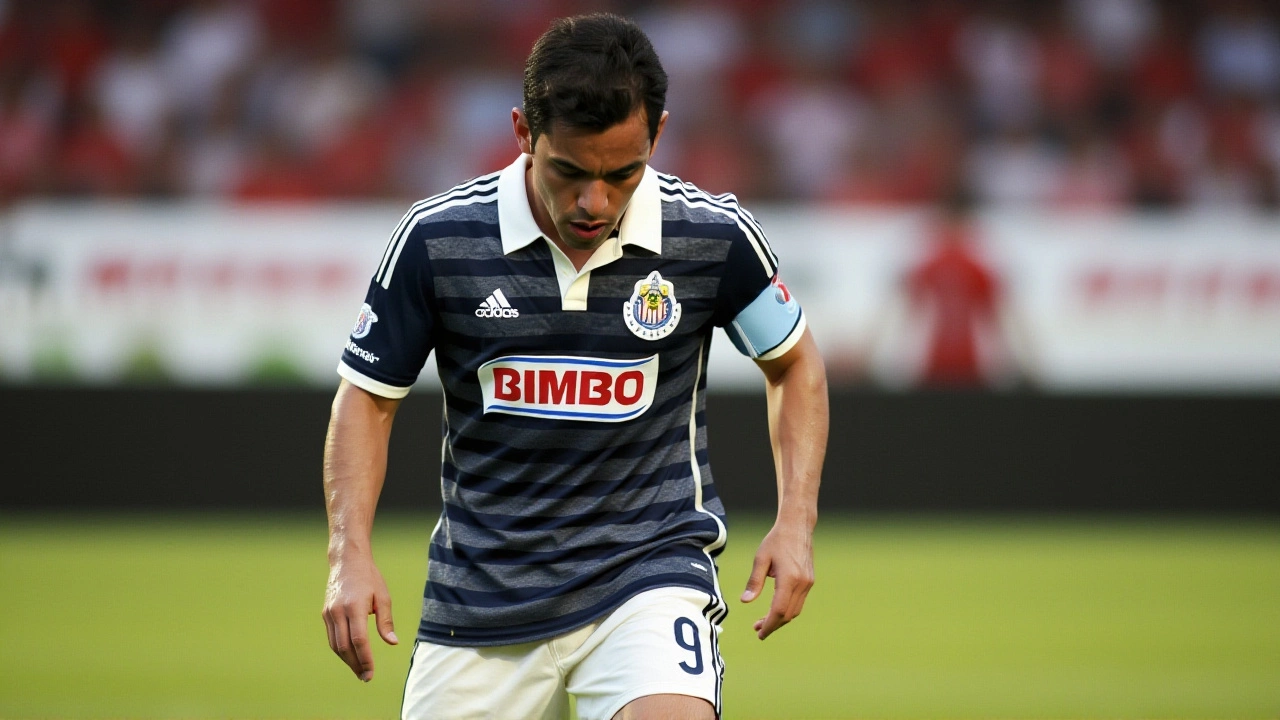
Beyond the Fine: What This Means for Mexican Sports
This isn’t Chicharito’s first social media controversy. In July 2023, he posted a video questioning vaccine mandates, which Facebook labeled "misleading" after third-party fact-checkers intervened. Now, he’s become a symbol of resistance to progress—not just in sports, but in Mexican society at large. The FMF’s fine is symbolic. But the real test comes next: Will Chivas require him to complete gender sensitivity training? Will the federation mandate such education for all players? Will clubs start auditing their athletes’ public statements? The answer matters. Because in Mexico, where machismo still lingers in stadiums and living rooms alike, silence is complicity.Historical Context: A Nation in Transition
Mexico’s gender equality movement has been decades in the making. The 2015 Gender Parity Law paved the way for female candidates. The 2020 constitutional reform made it mandatory. Now, under Sheinbaum, enforcement is real: women hold 51% of federal cabinet positions. The military, once a bastion of male hierarchy, now has its first female general commanding a division. Chicharito’s remarks landed in the middle of this transformation. And that’s why they stung so deeply. He didn’t just offend women—he dismissed the progress they’ve fought for. His legacy as a footballer—52 goals, two Champions League titles, a World Cup appearance—won’t be erased. But his legacy as a public figure? That’s now in question.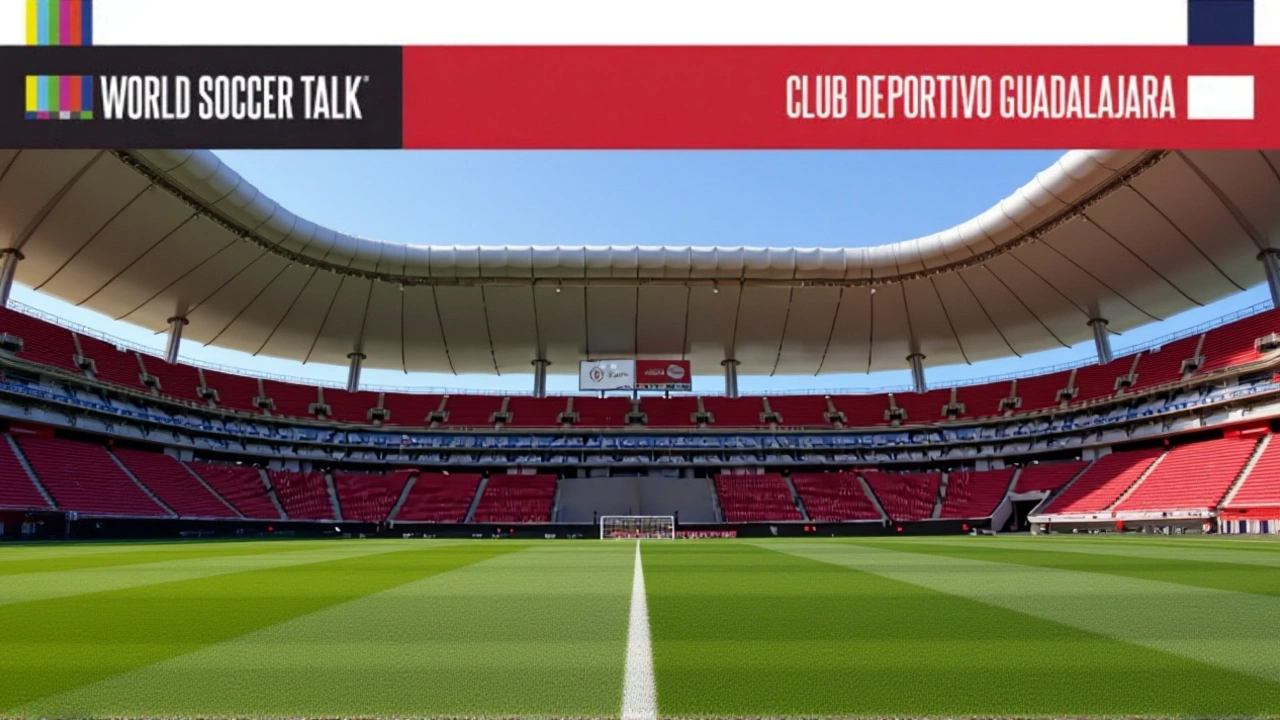
What’s Next?
Hernández is expected to return to training in early August. If he plays again for Chivas, fans will be watching—not just for goals, but for gestures. Will he speak out in support of women’s rights? Will he use his platform to amplify their voices? Or will he retreat into silence? The FMF has said it will monitor his conduct. And if he repeats this behavior? The next penalty won’t be undisclosed. It could be suspension. Or worse—a permanent stain on his reputation.Frequently Asked Questions
Why did President Sheinbaum respond so strongly to Chicharito’s comments?
Sheinbaum didn’t just react as a politician—she responded as a woman who has spent her life breaking barriers. As Mexico’s first female president, her leadership is defined by advancing gender equality. Chicharito’s remarks contradicted the constitutional mandate for parity she’s now enforcing. Her public rebuke wasn’t personal; it was institutional. She was defending the legal and cultural shift Mexico is undergoing.
How does this affect women’s rights movements in Mexico?
The backlash against Chicharito energized grassroots organizations like Alianza Cívica and Mujeres en Igualdad, which saw a 300% spike in social media engagement after the incident. The case has become a rallying point for younger activists who see sports as a cultural battleground. It’s proof that even beloved icons aren’t above accountability—and that public figures have a responsibility to model equality, not reinforce stereotypes.
Has the Mexican Football Federation taken similar action before?
Yes. In 2021, FMF fined player Raúl Jiménez for making a homophobic gesture during a match. In 2022, it suspended a referee for gender-biased commentary during a broadcast. But this is the first time it has fined a player for social media speech that explicitly promoted gender inequality. The precedent sets a new standard: in Mexico, football isn’t just about the game—it’s about national values.
What’s the public opinion on Chicharito’s apology?
A survey by INEGI released on July 28, 2024, showed 68% of Mexicans believe his apology was insufficient. Only 12% felt it was sincere. Many pointed out he didn’t apologize to the women he insulted—he apologized to "anyone offended." That distinction matters. For a man who built his career on humility and gratitude, the vagueness of his apology felt like a betrayal.
Could this impact Chicharito’s chances of returning to the national team?
Highly unlikely. Since 2019, he hasn’t been called up, partly due to off-field controversies and his age. But now, with Sheinbaum’s administration emphasizing moral leadership in public figures, a return would require more than fitness—it would demand visible advocacy for gender equity. Without that, even his 52 goals won’t be enough to earn a jersey again.
What’s next for the Mexican Football Federation?
FMF has confirmed it’s drafting a new code of conduct for players, including mandatory training on gender, diversity, and digital ethics. The initiative, expected to launch in October 2024, will be enforced across all professional clubs. This isn’t just about punishing bad behavior—it’s about preventing it. And for a country where football is religion, that’s the real game-changer.